Compare commits
1
Commits
1.0.1
..
5de286e233
| Author | SHA1 | Date | |
|---|---|---|---|
 Djeex Djeex
|
5de286e233 |
@@ -3,7 +3,9 @@
|
||||
.gitignore
|
||||
README.md
|
||||
LICENSE
|
||||
VERSION
|
||||
*.log
|
||||
*.tmp
|
||||
.env
|
||||
docker-compose.yaml
|
||||
Dockerfile.minimal
|
||||
|
||||
@@ -1,5 +1,4 @@
|
||||
TARGET_HOST= # Target hostname/IP to proxy to
|
||||
TARGET_PORT= # Target port to proxy to
|
||||
UNIX_SOCKET_NAME= # Name of the socket file
|
||||
UNIX_SOCKET_PATH= # Path to UNIX socket inside container
|
||||
HOST_SOCKET_PATH= # Host path for socket mounting
|
||||
# Socat Proxy Configuration
|
||||
TARGET_HOST=
|
||||
TARGET_PORT=
|
||||
SOCKET_PATH=
|
||||
@@ -1,163 +0,0 @@
|
||||
name: CI
|
||||
|
||||
on:
|
||||
push:
|
||||
branches: [main]
|
||||
pull_request:
|
||||
branches: [main]
|
||||
schedule:
|
||||
- cron: "0 6 * * 1"
|
||||
|
||||
jobs:
|
||||
build-and-scan:
|
||||
runs-on: ubuntu-latest
|
||||
steps:
|
||||
- name: Checkout
|
||||
uses: actions/checkout@v7
|
||||
with:
|
||||
fetch-depth: 0
|
||||
persist-credentials: false
|
||||
|
||||
- name: Build Docker image
|
||||
run: docker build -t socat-proxy:ci .
|
||||
|
||||
- name: Smoke test (syntax check)
|
||||
run: docker run --rm --entrypoint sh socat-proxy:ci -n /entrypoint.sh
|
||||
|
||||
- name: Run unit tests
|
||||
run: |
|
||||
docker build --target test -t socat-proxy:test .
|
||||
docker run --rm socat-proxy:test bats /app/tests/entrypoint.bats
|
||||
|
||||
- name: Lint entrypoint.sh with shellcheck
|
||||
run: docker build --target lint -t socat-proxy:lint .
|
||||
|
||||
- name: Scan with Trivy (critical - blocking)
|
||||
run: |
|
||||
docker run --rm \
|
||||
-e DOCKER_HOST=tcp://dockerhost:2375 \
|
||||
--add-host=dockerhost:host-gateway \
|
||||
aquasec/trivy:0.74.0 image --exit-code 1 --severity CRITICAL socat-proxy:ci
|
||||
|
||||
- name: Scan with Trivy (high - informative)
|
||||
run: |
|
||||
docker run --rm \
|
||||
-e DOCKER_HOST=tcp://dockerhost:2375 \
|
||||
--add-host=dockerhost:host-gateway \
|
||||
aquasec/trivy:0.74.0 image --exit-code 0 --severity HIGH socat-proxy:ci
|
||||
|
||||
- name: Publish tagged image
|
||||
if: github.event_name == 'push' && github.ref == 'refs/heads/main'
|
||||
run: |
|
||||
BEFORE="${{ github.event.before }}"
|
||||
if [ -n "$BEFORE" ] && [ "$BEFORE" != "0000000000000000000000000000000000000000" ] && git cat-file -e "$BEFORE" 2>/dev/null; then
|
||||
CHANGED=$(git diff --name-only "$BEFORE" "${{ github.sha }}")
|
||||
else
|
||||
CHANGED=$(git diff --name-only HEAD~1 HEAD)
|
||||
fi
|
||||
echo "Changed files:"
|
||||
echo "$CHANGED"
|
||||
|
||||
if ! echo "$CHANGED" | grep -qE '^(Dockerfile|entrypoint\.sh|VERSION)$'; then
|
||||
echo "No container-relevant file changed, skipping publish."
|
||||
exit 0
|
||||
fi
|
||||
|
||||
if echo "$CHANGED" | grep -qE '^VERSION$'; then
|
||||
echo "VERSION was manually edited in this push, using it as-is."
|
||||
else
|
||||
echo "VERSION untouched but container files changed, auto-bumping the build number (Z)."
|
||||
OLD_VERSION=$(tr -d '[:space:]' < VERSION)
|
||||
IFS='.' read -r MAJOR MINOR PATCH <<< "$OLD_VERSION"
|
||||
NEW_VERSION="${MAJOR}.${MINOR}.$((PATCH + 1))"
|
||||
echo "$NEW_VERSION" > VERSION
|
||||
|
||||
git config user.name "socat-proxy-ci"
|
||||
git config user.email "[email protected]"
|
||||
git add VERSION
|
||||
git commit -m "Bump build version to $NEW_VERSION [skip ci]"
|
||||
|
||||
# Belt and suspenders: actions/checkout can leave its own ephemeral
|
||||
# credential injected as an extraheader, which would silently override
|
||||
# the URL-embedded token below. persist-credentials:false on checkout
|
||||
# should already prevent this, but strip it here too just in case.
|
||||
git config --unset-all http.https://git.djeex.fr/.extraheader || true
|
||||
|
||||
git push "https://Djeex:${{ secrets.CI_PUSH_TOKEN }}@git.djeex.fr/Djeex/socat-proxy.git" HEAD:main
|
||||
fi
|
||||
|
||||
VERSION=$(tr -d '[:space:]' < VERSION)
|
||||
IFS='.' read -r MAJOR MINOR PATCH <<< "$VERSION"
|
||||
MINOR_TAG="${MAJOR}.${MINOR}"
|
||||
|
||||
IMAGE=git.djeex.fr/djeex/socat-proxy
|
||||
echo "${{ secrets.REGISTRY_TOKEN }}" | docker login git.djeex.fr -u Djeex --password-stdin
|
||||
|
||||
# Retag the already-built, already-scanned image — never rebuild for publish,
|
||||
# so what ships is byte-for-byte what Trivy just scanned.
|
||||
docker tag socat-proxy:ci "$IMAGE:latest"
|
||||
docker tag socat-proxy:ci "$IMAGE:$MINOR_TAG"
|
||||
docker tag socat-proxy:ci "$IMAGE:$VERSION"
|
||||
docker push "$IMAGE:latest"
|
||||
docker push "$IMAGE:$MINOR_TAG"
|
||||
docker push "$IMAGE:$VERSION"
|
||||
|
||||
TRIGGER_MSG=$(git log -1 --format=%s "${{ github.sha }}")
|
||||
PR_NUM=$(echo "$TRIGGER_MSG" | grep -oE '#[0-9]+' | head -1 | tr -d '#' || true)
|
||||
|
||||
CATEGORY="🔧 Maintenance"
|
||||
CHANGE_TITLE="$TRIGGER_MSG"
|
||||
|
||||
if [ -n "$PR_NUM" ]; then
|
||||
PR_JSON=$(curl -s -H "Authorization: token ${{ secrets.CI_PUSH_TOKEN }}" \
|
||||
"https://git.djeex.fr/api/v1/repos/Djeex/socat-proxy/pulls/$PR_NUM")
|
||||
PR_TITLE=$(echo "$PR_JSON" | jq -r '.title // empty' 2>/dev/null || true)
|
||||
LABELS=$(echo "$PR_JSON" | jq -r '.labels[]?.name' 2>/dev/null || true)
|
||||
|
||||
if [ -n "$PR_TITLE" ]; then
|
||||
CHANGE_TITLE="$PR_TITLE"
|
||||
fi
|
||||
|
||||
if echo "$LABELS" | grep -qx 'bug'; then
|
||||
CATEGORY="⚠️ Hotfix"
|
||||
elif echo "$LABELS" | grep -qx 'major'; then
|
||||
CATEGORY="💥 Breaking change"
|
||||
elif echo "$LABELS" | grep -qx 'minor'; then
|
||||
CATEGORY="✨ Update"
|
||||
fi
|
||||
fi
|
||||
|
||||
CHANGED_LIST=$(echo "$CHANGED" | sed 's/^/- /')
|
||||
|
||||
REPO_URL="https://git.djeex.fr/Djeex/socat-proxy"
|
||||
SHORT_SHA=$(echo "${{ github.sha }}" | cut -c1-7)
|
||||
SOURCE_LINE="[${SHORT_SHA}](${REPO_URL}/commit/${{ github.sha }})"
|
||||
if [ -n "$PR_NUM" ]; then
|
||||
SOURCE_LINE="[#${PR_NUM}](${REPO_URL}/pulls/${PR_NUM}) · ${SOURCE_LINE}"
|
||||
fi
|
||||
|
||||
BODY=$(cat <<EOF
|
||||
## Changelog
|
||||
|
||||
### ${CATEGORY}
|
||||
${CHANGE_TITLE}
|
||||
|
||||
**Source:** ${SOURCE_LINE}
|
||||
**Image:** \`${IMAGE}:${VERSION}\`
|
||||
|
||||
**Changed files:**
|
||||
${CHANGED_LIST}
|
||||
EOF
|
||||
)
|
||||
|
||||
JSON_PAYLOAD=$(jq -n \
|
||||
--arg tag "$VERSION" \
|
||||
--arg name "$VERSION" \
|
||||
--arg body "$BODY" \
|
||||
'{tag_name: $tag, name: $name, target_commitish: "main", body: $body}')
|
||||
|
||||
curl -s -o /dev/null -w "Release API response: %{http_code}\n" -X POST \
|
||||
-H "Authorization: token ${{ secrets.CI_PUSH_TOKEN }}" \
|
||||
-H "Content-Type: application/json" \
|
||||
-d "$JSON_PAYLOAD" \
|
||||
"https://git.djeex.fr/api/v1/repos/Djeex/socat-proxy/releases"
|
||||
+4
-18
@@ -1,26 +1,12 @@
|
||||
FROM alpine:3.24.1 AS base
|
||||
FROM alpine:latest
|
||||
|
||||
# Install socat and netcat in a single RUN command and clean up cache
|
||||
RUN apk add --no-cache socat netcat-openbsd \
|
||||
&& rm -rf /var/cache/apk/* /tmp/*
|
||||
|
||||
COPY entrypoint.sh VERSION /
|
||||
# Create socket directory and copy/set permissions in single layers
|
||||
COPY entrypoint.sh /entrypoint.sh
|
||||
RUN mkdir -p /socket \
|
||||
&& chmod +x /entrypoint.sh
|
||||
|
||||
FROM base AS test
|
||||
|
||||
RUN apk add --no-cache bats bash procps
|
||||
|
||||
WORKDIR /app
|
||||
COPY entrypoint.sh VERSION /app/
|
||||
COPY tests/ /app/tests/
|
||||
|
||||
FROM base AS lint
|
||||
|
||||
RUN apk add --no-cache shellcheck
|
||||
RUN shellcheck --severity=error -s sh /entrypoint.sh
|
||||
|
||||
# Kept as the last stage so `docker build .` (no --target) still produces
|
||||
# the lean prod image, not the `test`/`lint` stages above.
|
||||
FROM base
|
||||
ENTRYPOINT ["/entrypoint.sh"]
|
||||
@@ -2,43 +2,17 @@
|
||||
|
||||
A lightweight Docker container that creates a UNIX socket proxy to TCP connections using socat and Alpine Linux.
|
||||
|
||||
> [!NOTE]
|
||||
>_Github repo is a mirror of https://git.djeex.fr/Djeex/socat-proxy. You'll find full package, history and release note there._
|
||||
|
||||
## 📑 Table of Contents
|
||||
|
||||
- [🚀 Features](#-features)
|
||||
- [🔧 How It Works](#-how-it-works)
|
||||
- [📋 Use Case](#-use-case)
|
||||
- [🛠️ Configuration](#️-configuration)
|
||||
- [Environment Variables](#environment-variables)
|
||||
- [🚢 Quick Start](#-quick-start)
|
||||
- [Using Docker Compose (Recommended)](#using-docker-compose-recommended)
|
||||
- [Using Docker Run](#using-docker-run)
|
||||
- [💡 Deployment example for Beszel](#-example-secure-docker-socket-access-for-host-mode-containers)
|
||||
|
||||
## 🚀 Features
|
||||
|
||||
- **Lightweight**: Based on Alpine Linux (~10-15MB image)
|
||||
- **Configurable**: Environment variable driven configuration
|
||||
- **Socket Management**: Automatic UNIX socket creation and cleanup
|
||||
- **Production Ready**: Includes proper error handling and logging
|
||||
- **Multi-variant**: Standard and minimal Docker images available
|
||||
|
||||
## 🔧 How It Works
|
||||
## 📋 Use Cases example
|
||||
|
||||
1. **Socket Check**: Verifies if UNIX socket exists at startup
|
||||
2. **Cleanup**: Removes existing socket file/folder if present
|
||||
3. **Socket Creation**: Creates new UNIX socket using `nc -lU`
|
||||
4. **Proxy Start**: Starts socat to proxy UNIX socket to TCP endpoint
|
||||
|
||||
## 📋 Use Case
|
||||
|
||||
Proxy Docker socket from a docker proxy to a container in host mode without directly exposing socket to host. For example:
|
||||
|
||||
[Beszel](https://beszel.dev/) is a monitoring tool that requires `network_mode: host` to function properly. This creates a security challenge: Beszel needs access to the Docker socket, but it cannot reach a containerized docker-socket-proxy due to the network isolation. Running docker-socket-proxy in host mode or exposing port to host would also be highly insecure.
|
||||
|
||||
**Socat-proxy solves this problem** by creating a secure bridge between host-mode containers and containerized socket proxies. It exposes a UNIX socket file on the host filesystem that Beszel can access, while securely forwarding all Docker API requests to the socket-proxy running on the bridge network.
|
||||
|
||||
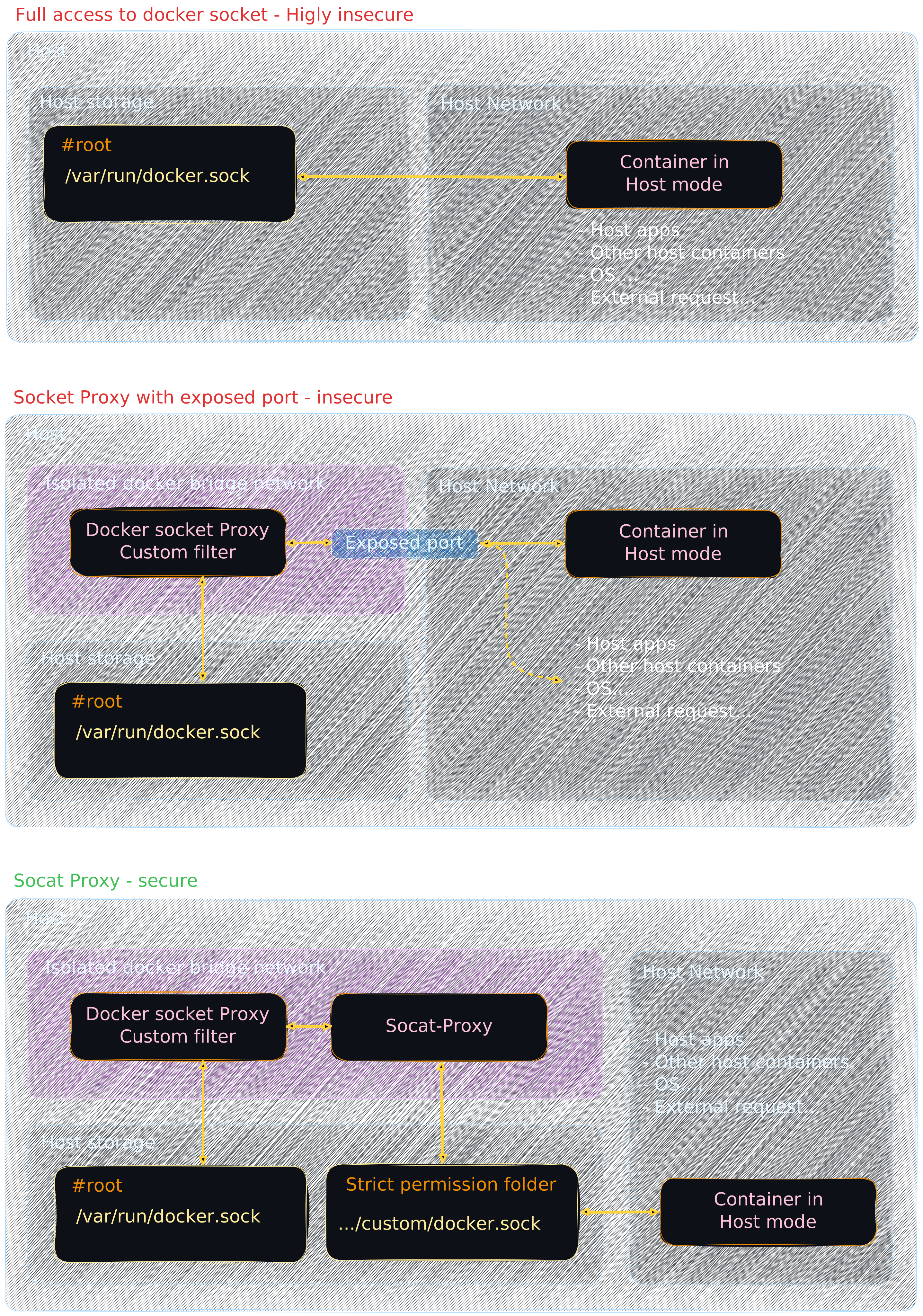
|
||||
- Proxy Docker socket from a docker proxy to a container in host mode
|
||||
|
||||
## 🛠️ Configuration
|
||||
|
||||
@@ -48,109 +22,50 @@ Proxy Docker socket from a docker proxy to a container in host mode without dire
|
||||
|----------|---------|-------------|---------|
|
||||
| `TARGET_HOST` | - | Target hostname/IP to proxy to | `socket-proxy-beszel` |
|
||||
| `TARGET_PORT` | - | Target port to proxy to | `2375` |
|
||||
| `UNIX_SOCKET_NAME` | - | Name of the socket file | `docker.sock` |
|
||||
| `UNIX_SOCKET_PATH` | - | Path to UNIX socket inside container | `/socket` |
|
||||
| `HOST_SOCKET_PATH` | - | Host path for socket mounting | `/docker/beszel-agent/sock` |
|
||||
| `DEBUG_LEVEL` | - | Level of logs verbose | `0`,`1`,`2`,`3` |
|
||||
| `UNIX_SOCKET_PATH` | - | Path to UNIX socket inside container | `/socket/docker.sock` |
|
||||
| `SOCKET_PATH` | - | Host path for socket mounting | `/your/container/sock/` |
|
||||
|
||||
## 🚢 Quick Start
|
||||
|
||||
### Using Docker Compose (Recommended)
|
||||
|
||||
1. Create a `.env` file with your configuration:
|
||||
1. Clone the repository:
|
||||
```bash
|
||||
TARGET_HOST= #your target host
|
||||
TARGET_PORT= #your target host port
|
||||
UNIX_SOCKET_NAME= #your socket file name
|
||||
UNIX_SOCKET_PATH= #your socket folder path inside socat-proxy
|
||||
HOST_SOCKET_PATH= #your socket folder path inside your host
|
||||
DEBUG_LEVEL=1
|
||||
git clone https://git.djeex.fr/Djeex/socat-proxy
|
||||
cd socat-proxy
|
||||
```
|
||||
|
||||
2. Create a `compose.yml` file:
|
||||
```yaml
|
||||
services:
|
||||
socat-proxy:
|
||||
image: git.djeex.fr/djeex/socat-proxy:latest
|
||||
environment:
|
||||
- TARGET_HOST=${TARGET_HOST}
|
||||
- TARGET_PORT=${TARGET_PORT}
|
||||
- UNIX_SOCKET_NAME=${UNIX_SOCKET_NAME}
|
||||
- UNIX_SOCKET_PATH=${UNIX_SOCKET_PATH}
|
||||
- HOST_SOCKET_PATH=${HOST_SOCKET_PATH}
|
||||
- DEBUG_LEVEL=${DEBUG_LEVEL}
|
||||
volumes:
|
||||
- ${HOST_SOCKET_PATH}:${UNIX_SOCKET_PATH}
|
||||
restart: unless-stopped
|
||||
2. Configure environment variables in `.env` file:
|
||||
```bash
|
||||
TARGET_HOST= # Target hostname/IP to proxy to
|
||||
TARGET_PORT= # Target port to proxy to
|
||||
UNIX_SOCKET_PATH= # Path to UNIX socket inside container
|
||||
HOST_SOCKET_PATH= # Host path for socket mounting
|
||||
```
|
||||
|
||||
3. Start the service:
|
||||
```bash
|
||||
docker compose up -d
|
||||
docker-compose up -d
|
||||
```
|
||||
|
||||
### Using Docker Run
|
||||
|
||||
```bash
|
||||
docker build -t socat-proxy .
|
||||
|
||||
docker run -d \
|
||||
--name socat-proxy \
|
||||
-e TARGET_HOST= #your target host \
|
||||
-e TARGET_PORT= #your target host port \
|
||||
-e UNIX_SOCKET_NAME= #your socket file name \
|
||||
-e UNIX_SOCKET_PATH= #your socket folder path inside socat-proxy \
|
||||
-e HOST_SOCKET_PATH= #your socket folder path inside your host\
|
||||
-e DEBUG_LEVEL=1 \
|
||||
-v ${HOST_SOCKET_PATH}:${UNIX_SOCKET_PATH}$ \
|
||||
git.djeex.fr/djeex/socat-proxy:latest
|
||||
-e TARGET_HOST=your-target-host \
|
||||
-e TARGET_PORT=your-target-port \
|
||||
-e UNIX_SOCKET_PATH=your-unix-socket-path \
|
||||
-e HOST_SOCKET_PATH=your-socket-host-path \
|
||||
-v /your-origin-socket-path:/socket \
|
||||
socat-proxy
|
||||
```
|
||||
|
||||
## 🔧 How It Works
|
||||
|
||||
## 💡 Deployment example for Beszel
|
||||
|
||||
```yaml
|
||||
services:
|
||||
socat-proxy:
|
||||
image: git.djeex.fr/djeex/socat-proxy:latest
|
||||
container_name: socat-proxy-beszel
|
||||
environment:
|
||||
- TARGET_HOST=${TARGET_HOST}
|
||||
- TARGET_PORT=${TARGET_PORT}
|
||||
- UNIX_SOCKET_PATH=${UNIX_SOCKET_PATH}
|
||||
- HOST_SOCKET_PATH=${HOST_SOCKET_PATH}
|
||||
- UNIX_SOCKET_NAME=${UNIX_SOCKET_NAME}
|
||||
volumes:
|
||||
- ${HOST_SOCKET_PATH}:${UNIX_SOCKET_PATH}
|
||||
restart: unless-stopped
|
||||
depends_on:
|
||||
- ${TARGET_HOST}
|
||||
|
||||
socket-proxy:
|
||||
image: lscr.io/linuxserver/socket-proxy:latest
|
||||
container_name: ${TARGET_HOST}
|
||||
security_opt:
|
||||
- no-new-privileges:true
|
||||
environment:
|
||||
- CONTAINERS=1
|
||||
- INFO=1
|
||||
volumes:
|
||||
- /var/run/docker.sock:/var/run/docker.sock:ro
|
||||
restart: unless-stopped
|
||||
read_only: true
|
||||
tmpfs:
|
||||
- /run
|
||||
|
||||
beszel-agent:
|
||||
image: henrygd/beszel-agent:latest
|
||||
container_name: beszel-agent
|
||||
restart: unless-stopped
|
||||
network_mode: host
|
||||
security_opt:
|
||||
- no-new-privileges:true
|
||||
volumes:
|
||||
- ${HOST_SOCKET_PATH}/${UNIX_SOCKET_NAME}:/var/run/docker.sock:ro
|
||||
environment:
|
||||
- #... your Beszel environment var
|
||||
depends_on:
|
||||
- socat-proxy
|
||||
```
|
||||
|
||||
1. **Socket Check**: Verifies if UNIX socket exists at startup
|
||||
2. **Cleanup**: Removes existing socket file/folder if present
|
||||
3. **Socket Creation**: Creates new UNIX socket using `nc -lU`
|
||||
4. **Proxy Start**: Starts socat to proxy UNIX socket to TCP endpoint
|
||||
|
||||
+14
-6
@@ -1,13 +1,21 @@
|
||||
---
|
||||
version: '3.8'
|
||||
|
||||
services:
|
||||
socat-proxy:
|
||||
build: .
|
||||
environment:
|
||||
- TARGET_HOST=${TARGET_HOST}
|
||||
- TARGET_PORT=${TARGET_PORT}
|
||||
- UNIX_SOCKET_NAME=${UNIX_SOCKET_NAME}
|
||||
- TARGET_HOST=${TARGET_HOST:}
|
||||
- TARGET_PORT=${TARGET_PORT:}
|
||||
- UNIX_SOCKET_PATH=${UNIX_SOCKET_PATH}
|
||||
- HOST_SOCKET_PATH=${HOST_SOCKET_PATH}
|
||||
volumes:
|
||||
- ${HOST_SOCKET_PATH}:${UNIX_SOCKET_PATH}
|
||||
- ${HOST_SOCKET_PATH:-/tmp/docker-proxy}:/socket
|
||||
networks:
|
||||
- proxy-network
|
||||
restart: unless-stopped
|
||||
|
||||
volumes:
|
||||
socket_volume:
|
||||
|
||||
networks:
|
||||
proxy-network:
|
||||
external: false
|
||||
+47
-88
@@ -1,145 +1,103 @@
|
||||
#!/bin/sh
|
||||
set -e
|
||||
|
||||
CYAN="\033[1;36m"
|
||||
NC="\033[0m"
|
||||
|
||||
DEBUG_LEVEL=${DEBUG_LEVEL:-1}
|
||||
UNIX_SOCKET_PATH=${UNIX_SOCKET_PATH%/}
|
||||
HOST_SOCKET_PATH=${HOST_SOCKET_PATH%/}
|
||||
|
||||
FULL_HOST_SOCKET_PATH="$HOST_SOCKET_PATH/$UNIX_SOCKET_NAME"
|
||||
FULL_UNIX_SOCKET_PATH="$UNIX_SOCKET_PATH/$UNIX_SOCKET_NAME"
|
||||
|
||||
VERSION=$(cat VERSION)
|
||||
|
||||
echo -e "${CYAN}╭────────────────────────────────────────────────╮${NC}"
|
||||
echo -e "${CYAN}│${NC} Socat-proxy - Version ${VERSION}${NC} ${CYAN}│${NC}"
|
||||
echo -e "${CYAN}├────────────────────────────────────────────────┤${NC}"
|
||||
echo -e "${CYAN}│${NC} Source: https://git.djeex.fr/Djeex/socat-proxy ${CYAN}│${NC}"
|
||||
echo -e "${CYAN}│${NC} Mirror: https://github.com/Djeex/socat-proxy ${CYAN}│${NC}"
|
||||
echo -e "${CYAN}╰────────────────────────────────────────────────╯${NC}"
|
||||
|
||||
# Set default values if not provided
|
||||
TARGET_HOST=${TARGET_HOST}
|
||||
TARGET_PORT=${TARGET_PORT}
|
||||
UNIX_SOCKET_PATH=${UNIX_SOCKET_PATH}
|
||||
UNIX_SOCKET_NAME=$(basename "$UNIX_SOCKET_PATH")
|
||||
HOST_SOCKET_PATH=${HOST_SOCKET_PATH}
|
||||
|
||||
# Validate required environment variables
|
||||
if [ -z "$TARGET_HOST" ]; then
|
||||
echo "[✗] TARGET_HOST environment variable is required"
|
||||
echo "ERROR: TARGET_HOST environment variable is required"
|
||||
exit 1
|
||||
fi
|
||||
|
||||
if [ -z "$TARGET_PORT" ]; then
|
||||
echo "[✗] TARGET_PORT environment variable is required"
|
||||
exit 1
|
||||
fi
|
||||
|
||||
if [ -z "$UNIX_SOCKET_NAME" ]; then
|
||||
echo "[✗] UNIX_SOCKET_NAME environment variable is required"
|
||||
echo "ERROR: TARGET_PORT environment variable is required"
|
||||
exit 1
|
||||
fi
|
||||
|
||||
if [ -z "$UNIX_SOCKET_PATH" ]; then
|
||||
echo "[✗] UNIX_SOCKET_PATH environment variable is required"
|
||||
echo "ERROR: UNIX_SOCKET_PATH environment variable is required"
|
||||
exit 1
|
||||
fi
|
||||
|
||||
if [ -z "$HOST_SOCKET_PATH" ]; then
|
||||
echo "[✗] HOST_SOCKET_PATH environment variable is required"
|
||||
echo "ERROR: HOST_SOCKET_PATH environment variable is required"
|
||||
exit 1
|
||||
fi
|
||||
|
||||
echo "[~] Starting socat proxy..."
|
||||
echo "[i] TCP target: $TARGET_HOST:$TARGET_PORT"
|
||||
echo "[i] HOST path: $HOST_SOCKET_PATH"
|
||||
echo "[i] Full host socket path: $FULL_HOST_SOCKET_PATH"
|
||||
echo "[i] Full socket path: $FULL_UNIX_SOCKET_PATH"
|
||||
echo "Starting socat proxy..."
|
||||
echo "UNIX socket: $UNIX_SOCKET_PATH"
|
||||
echo "TCP target: $TARGET_HOST:$TARGET_PORT"
|
||||
echo "HOST path: $HOST_SOCKET_PATH"
|
||||
echo "Socket name: $UNIX_SOCKET_NAME"
|
||||
|
||||
# Calculate full socket path
|
||||
FULL_SOCKET_PATH="$HOST_SOCKET_PATH/$UNIX_SOCKET_NAME"
|
||||
echo "Full socket path: $FULL_SOCKET_PATH"
|
||||
|
||||
# Check if socket file/folder exists and handle it
|
||||
if [ -e "$FULL_UNIX_SOCKET_PATH" ]; then
|
||||
echo "[~] Socket file/folder $FULL_UNIX_SOCKET_PATH exists, removing it..."
|
||||
if rm -rf "$FULL_UNIX_SOCKET_PATH"; then
|
||||
echo "[✓] Removed existing socket $FULL_UNIX_SOCKET_PATH"
|
||||
if [ -e "$FULL_SOCKET_PATH" ]; then
|
||||
echo "Socket file/folder $FULL_SOCKET_PATH exists, removing it..."
|
||||
if rm -rf "$FULL_SOCKET_PATH"; then
|
||||
echo "SUCCESS: Removed existing socket $FULL_SOCKET_PATH"
|
||||
else
|
||||
echo "[✗] Failed to remove existing socket $FULL_UNIX_SOCKET_PATH"
|
||||
echo "ERROR: Failed to remove existing socket $FULL_SOCKET_PATH"
|
||||
exit 1
|
||||
fi
|
||||
fi
|
||||
|
||||
echo "[~] Creating socket directory structure..."
|
||||
echo "Creating socket directory structure..."
|
||||
# Create directory if needed
|
||||
if mkdir -p "$UNIX_SOCKET_PATH"; then
|
||||
echo "[✓] Created directory $UNIX_SOCKET_PATH"
|
||||
if mkdir -p "$HOST_SOCKET_PATH"; then
|
||||
echo "SUCCESS: Created directory $HOST_SOCKET_PATH"
|
||||
else
|
||||
echo "[✗] Failed to create directory $UNIX_SOCKET_PATH"
|
||||
echo "ERROR: Failed to create directory $HOST_SOCKET_PATH"
|
||||
exit 1
|
||||
fi
|
||||
|
||||
echo "[~] Creating socket with netcat..."
|
||||
# Create socket file by touching it, then remove it (this creates the path but leaves it clean for socat)
|
||||
touch "$FULL_UNIX_SOCKET_PATH"
|
||||
rm "$FULL_UNIX_SOCKET_PATH"
|
||||
echo "[✓] Socket path prepared at $FULL_UNIX_SOCKET_PATH"
|
||||
|
||||
# Debug: Check if socket file exists and its permissions
|
||||
if [ -S "$FULL_UNIX_SOCKET_PATH" ]; then
|
||||
echo "[✓] Socket file exists and is a socket"
|
||||
ls -la "$FULL_UNIX_SOCKET_PATH"
|
||||
echo "Creating socket with netcat..."
|
||||
# Create socket with nc -lU in background and then kill it to create the socket file
|
||||
if timeout 1 nc -lU "$FULL_SOCKET_PATH" 2>/dev/null || true; then
|
||||
echo "SUCCESS: Socket created at $FULL_SOCKET_PATH"
|
||||
else
|
||||
echo "[!] Socket file does not exist or is not a socket"
|
||||
ls -la "$UNIX_SOCKET_PATH"
|
||||
echo "WARNING: Socket creation with netcat had issues, but continuing..."
|
||||
fi
|
||||
|
||||
echo "[~] Testing connection to target..."
|
||||
echo "Testing connection to target..."
|
||||
# Test if we can reach the target before starting socat
|
||||
if ! nc -z "$TARGET_HOST" "$TARGET_PORT" 2>/dev/null; then
|
||||
echo "[!] Cannot connect to $TARGET_HOST:$TARGET_PORT - socat will retry automatically"
|
||||
echo "WARNING: Cannot connect to $TARGET_HOST:$TARGET_PORT - socat will retry automatically"
|
||||
else
|
||||
echo "[✓] Connection to $TARGET_HOST:$TARGET_PORT is working"
|
||||
echo "SUCCESS: Connection to $TARGET_HOST:$TARGET_PORT is working"
|
||||
fi
|
||||
|
||||
# Signal handler for graceful shutdown
|
||||
cleanup() {
|
||||
echo "[!] Received SIGTERM, shutting down gracefully..."
|
||||
echo "Received SIGTERM, shutting down gracefully..."
|
||||
if [ ! -z "$SOCAT_PID" ]; then
|
||||
echo "[~] Stopping socat process (PID: $SOCAT_PID)..."
|
||||
echo "Stopping socat process (PID: $SOCAT_PID)..."
|
||||
kill "$SOCAT_PID" 2>/dev/null || true
|
||||
wait "$SOCAT_PID" 2>/dev/null || true
|
||||
fi
|
||||
echo "[~] Cleanup completed, exiting..."
|
||||
echo "Cleanup completed, exiting..."
|
||||
exit 0
|
||||
}
|
||||
|
||||
# Set up signal trap
|
||||
trap cleanup SIGTERM SIGINT
|
||||
|
||||
echo "[~] Starting socat proxy..."
|
||||
# Start socat with configurable verbosity
|
||||
DEBUG_FLAGS=""
|
||||
if [ "$DEBUG_LEVEL" -eq 1 ]; then
|
||||
DEBUG_FLAGS="-d"
|
||||
elif [ "$DEBUG_LEVEL" -eq 2 ]; then
|
||||
DEBUG_FLAGS="-d -d"
|
||||
elif [ "$DEBUG_LEVEL" -eq 3 ]; then
|
||||
DEBUG_FLAGS="-d -d -d"
|
||||
fi
|
||||
|
||||
echo "[i] Using debug level: $DEBUG_LEVEL ($DEBUG_FLAGS)"
|
||||
|
||||
if socat $DEBUG_FLAGS UNIX-LISTEN:$FULL_UNIX_SOCKET_PATH,fork,unlink-early TCP:$TARGET_HOST:$TARGET_PORT & then
|
||||
echo "Starting socat proxy..."
|
||||
# Start socat with verbose logging and redirect to stdout/stderr
|
||||
if socat -d -d UNIX-LISTEN:$FULL_SOCKET_PATH,fork,unlink-early TCP:$TARGET_HOST:$TARGET_PORT & then
|
||||
SOCAT_PID=$!
|
||||
echo "[✓] Socat started with PID: $SOCAT_PID"
|
||||
echo "[i] Socat command: socat -d -d UNIX-LISTEN:$FULL_UNIX_SOCKET_PATH,fork,unlink-early TCP:$TARGET_HOST:$TARGET_PORT"
|
||||
echo "[~] Container is ready and running..."
|
||||
|
||||
# Debug: Check socket after socat starts
|
||||
sleep 2
|
||||
if [ -S "$FULL_UNIX_SOCKET_PATH" ]; then
|
||||
echo "[✓] Socat socket is active"
|
||||
ls -la "$FULL_UNIX_SOCKET_PATH"
|
||||
else
|
||||
echo "[!] Socat socket not found"
|
||||
fi
|
||||
echo "SUCCESS: Socat started with PID: $SOCAT_PID"
|
||||
echo "Container is ready and running..."
|
||||
else
|
||||
echo "[✗] Failed to start socat proxy"
|
||||
echo "ERROR: Failed to start socat proxy"
|
||||
exit 1
|
||||
fi
|
||||
|
||||
@@ -148,5 +106,6 @@ while kill -0 "$SOCAT_PID" 2>/dev/null; do
|
||||
sleep 1
|
||||
done
|
||||
|
||||
echo "[✗] Socat process has stopped"
|
||||
echo "Socat process has stopped"
|
||||
exit 1
|
||||
|
||||
|
||||

File diff suppressed because one or more lines are too long
|
Before Width: | Height: | Size: 436 KiB |
@@ -1,25 +0,0 @@
|
||||
{
|
||||
"$schema": "https://docs.renovatebot.com/renovate-schema.json",
|
||||
"extends": ["config:recommended"],
|
||||
"timezone": "Europe/Paris",
|
||||
"labels": ["bot"],
|
||||
"packageRules": [
|
||||
{
|
||||
"matchManagers": ["dockerfile"],
|
||||
"matchUpdateTypes": ["patch"],
|
||||
"automerge": true
|
||||
},
|
||||
{
|
||||
"matchUpdateTypes": ["major"],
|
||||
"addLabels": ["major"]
|
||||
},
|
||||
{
|
||||
"matchUpdateTypes": ["minor"],
|
||||
"addLabels": ["minor"]
|
||||
}
|
||||
],
|
||||
"vulnerabilityAlerts": {
|
||||
"enabled": true,
|
||||
"addLabels": ["bug"]
|
||||
}
|
||||
}
|
||||
@@ -1,223 +0,0 @@
|
||||
#!/usr/bin/env bats
|
||||
#
|
||||
# Behavioral tests for entrypoint.sh.
|
||||
#
|
||||
# Strategy: run the real entrypoint.sh (real socat/nc, no mocks) against a
|
||||
# throwaway TCP target and a scratch socket directory, so what's exercised
|
||||
# matches production exactly. UNIX-LISTEN binds immediately without the TCP
|
||||
# target being reachable, so TARGET_HOST/TARGET_PORT can safely point at
|
||||
# nothing for most tests.
|
||||
#
|
||||
# Process PIDs are looked up on demand via `pgrep -f` against a unique,
|
||||
# per-test path/name rather than captured with `$!` — under bats-core's own
|
||||
# subshell/job-control plumbing, `$!` does not reliably resolve to the
|
||||
# process actually started here.
|
||||
|
||||
setup() {
|
||||
TEST_DIR="$(mktemp -d)"
|
||||
cp "$BATS_TEST_DIRNAME/../entrypoint.sh" "$TEST_DIR/"
|
||||
cp "$BATS_TEST_DIRNAME/../VERSION" "$TEST_DIR/"
|
||||
chmod +x "$TEST_DIR/entrypoint.sh"
|
||||
|
||||
export TARGET_HOST=127.0.0.1
|
||||
export TARGET_PORT=1
|
||||
export UNIX_SOCKET_NAME="test-$BATS_TEST_NUMBER.sock"
|
||||
export UNIX_SOCKET_PATH="$TEST_DIR/socket"
|
||||
export HOST_SOCKET_PATH="$TEST_DIR/host"
|
||||
unset DEBUG_LEVEL
|
||||
}
|
||||
|
||||
teardown() {
|
||||
pkill -9 -f "$TEST_DIR/entrypoint.sh" 2>/dev/null
|
||||
pkill -9 -f "UNIX-LISTEN:.*$UNIX_SOCKET_NAME" 2>/dev/null
|
||||
pkill -9 -f "nc .*34599" 2>/dev/null
|
||||
rm -rf "$TEST_DIR"
|
||||
}
|
||||
|
||||
run_entrypoint_bg() {
|
||||
LOG="$TEST_DIR/out.log"
|
||||
( cd "$TEST_DIR" && exec ./entrypoint.sh >"$LOG" 2>&1 ) &
|
||||
disown 2>/dev/null || true
|
||||
}
|
||||
|
||||
entrypoint_pid() {
|
||||
pgrep -f "$TEST_DIR/entrypoint.sh" | head -n1
|
||||
}
|
||||
|
||||
socat_pid() {
|
||||
pgrep -f "UNIX-LISTEN:.*$UNIX_SOCKET_NAME" | head -n1
|
||||
}
|
||||
|
||||
wait_for_log() {
|
||||
pattern="$1"
|
||||
tries=0
|
||||
while [ "$tries" -lt 20 ]; do
|
||||
grep -qE "$pattern" "$LOG" 2>/dev/null && return 0
|
||||
tries=$((tries + 1))
|
||||
sleep 0.25
|
||||
done
|
||||
return 1
|
||||
}
|
||||
|
||||
wait_for_pid_gone() {
|
||||
pid="$1"
|
||||
tries=0
|
||||
while kill -0 "$pid" 2>/dev/null && [ "$tries" -lt 20 ]; do
|
||||
tries=$((tries + 1))
|
||||
sleep 0.25
|
||||
done
|
||||
! kill -0 "$pid" 2>/dev/null
|
||||
}
|
||||
|
||||
# ---- Environment variable validation -------------------------------------
|
||||
|
||||
@test "fails when TARGET_HOST is missing" {
|
||||
unset TARGET_HOST
|
||||
run "$TEST_DIR/entrypoint.sh"
|
||||
[ "$status" -eq 1 ]
|
||||
[[ "$output" == *"TARGET_HOST environment variable is required"* ]]
|
||||
}
|
||||
|
||||
@test "fails when TARGET_PORT is missing" {
|
||||
unset TARGET_PORT
|
||||
run "$TEST_DIR/entrypoint.sh"
|
||||
[ "$status" -eq 1 ]
|
||||
[[ "$output" == *"TARGET_PORT environment variable is required"* ]]
|
||||
}
|
||||
|
||||
@test "fails when UNIX_SOCKET_NAME is missing" {
|
||||
unset UNIX_SOCKET_NAME
|
||||
run "$TEST_DIR/entrypoint.sh"
|
||||
[ "$status" -eq 1 ]
|
||||
[[ "$output" == *"UNIX_SOCKET_NAME environment variable is required"* ]]
|
||||
}
|
||||
|
||||
@test "fails when UNIX_SOCKET_PATH is missing" {
|
||||
unset UNIX_SOCKET_PATH
|
||||
run "$TEST_DIR/entrypoint.sh"
|
||||
[ "$status" -eq 1 ]
|
||||
[[ "$output" == *"UNIX_SOCKET_PATH environment variable is required"* ]]
|
||||
}
|
||||
|
||||
@test "fails when HOST_SOCKET_PATH is missing" {
|
||||
unset HOST_SOCKET_PATH
|
||||
run "$TEST_DIR/entrypoint.sh"
|
||||
[ "$status" -eq 1 ]
|
||||
[[ "$output" == *"HOST_SOCKET_PATH environment variable is required"* ]]
|
||||
}
|
||||
|
||||
@test "prints the version banner from the VERSION file" {
|
||||
echo "9.9.9" > "$TEST_DIR/VERSION"
|
||||
run_entrypoint_bg
|
||||
wait_for_log "Socat socket is active|Socat socket not found"
|
||||
grep -q "Version 9.9.9" "$LOG"
|
||||
}
|
||||
|
||||
# ---- Socket path preparation ----------------------------------------------
|
||||
|
||||
@test "removes a pre-existing file at the socket path before starting" {
|
||||
mkdir -p "$UNIX_SOCKET_PATH"
|
||||
touch "$UNIX_SOCKET_PATH/$UNIX_SOCKET_NAME"
|
||||
run_entrypoint_bg
|
||||
wait_for_log "Socat socket is active|Socat socket not found"
|
||||
grep -q "exists, removing it" "$LOG"
|
||||
grep -q "Removed existing socket" "$LOG"
|
||||
}
|
||||
|
||||
@test "creates the socket directory when it does not exist" {
|
||||
[ ! -d "$UNIX_SOCKET_PATH" ]
|
||||
run_entrypoint_bg
|
||||
wait_for_log "Socat socket is active|Socat socket not found"
|
||||
grep -q "Created directory $UNIX_SOCKET_PATH" "$LOG"
|
||||
[ -d "$UNIX_SOCKET_PATH" ]
|
||||
}
|
||||
|
||||
@test "reports the socat-created socket as active once it is listening" {
|
||||
run_entrypoint_bg
|
||||
wait_for_log "Socat socket is active|Socat socket not found"
|
||||
grep -q "Socat socket is active" "$LOG"
|
||||
[ -S "$UNIX_SOCKET_PATH/$UNIX_SOCKET_NAME" ]
|
||||
}
|
||||
|
||||
# ---- Target connectivity check (informational, non-fatal) -----------------
|
||||
|
||||
@test "warns but continues when the TCP target is unreachable" {
|
||||
export TARGET_PORT=1
|
||||
run_entrypoint_bg
|
||||
wait_for_log "Socat socket is active|Socat socket not found"
|
||||
grep -q "Cannot connect to $TARGET_HOST:$TARGET_PORT" "$LOG"
|
||||
grep -q "Container is ready and running" "$LOG"
|
||||
}
|
||||
|
||||
@test "reports success when the TCP target is reachable" {
|
||||
( nc -l 127.0.0.1 34599 >/dev/null 2>&1 & )
|
||||
disown 2>/dev/null || true
|
||||
sleep 0.3
|
||||
export TARGET_PORT=34599
|
||||
run_entrypoint_bg
|
||||
wait_for_log "Socat socket is active|Socat socket not found"
|
||||
grep -q "Connection to $TARGET_HOST:$TARGET_PORT is working" "$LOG"
|
||||
}
|
||||
|
||||
# ---- Debug level -> socat flags mapping -----------------------------------
|
||||
|
||||
@test "maps an unset DEBUG_LEVEL default of 1 to a single -d flag" {
|
||||
run_entrypoint_bg
|
||||
wait_for_log "Using debug level"
|
||||
grep -q "Using debug level: 1 (-d)" "$LOG"
|
||||
}
|
||||
|
||||
@test "maps DEBUG_LEVEL=2 to two -d flags" {
|
||||
export DEBUG_LEVEL=2
|
||||
run_entrypoint_bg
|
||||
wait_for_log "Using debug level"
|
||||
grep -q "Using debug level: 2 (-d -d)" "$LOG"
|
||||
}
|
||||
|
||||
@test "maps DEBUG_LEVEL=3 to three -d flags" {
|
||||
export DEBUG_LEVEL=3
|
||||
run_entrypoint_bg
|
||||
wait_for_log "Using debug level"
|
||||
grep -q "Using debug level: 3 (-d -d -d)" "$LOG"
|
||||
}
|
||||
|
||||
@test "maps an unrecognized DEBUG_LEVEL to no debug flags" {
|
||||
export DEBUG_LEVEL=0
|
||||
run_entrypoint_bg
|
||||
wait_for_log "Using debug level"
|
||||
grep -q "Using debug level: 0 ()" "$LOG"
|
||||
}
|
||||
|
||||
# ---- Shutdown behavior ------------------------------------------------------
|
||||
|
||||
@test "shuts down gracefully and stops socat on SIGTERM" {
|
||||
run_entrypoint_bg
|
||||
wait_for_log "Socat socket is active|Socat socket not found"
|
||||
|
||||
ep_pid="$(entrypoint_pid)"
|
||||
sc_pid="$(socat_pid)"
|
||||
[ -n "$ep_pid" ]
|
||||
[ -n "$sc_pid" ]
|
||||
|
||||
kill -TERM "$ep_pid"
|
||||
wait_for_pid_gone "$ep_pid"
|
||||
|
||||
grep -q "Received SIGTERM, shutting down gracefully" "$LOG"
|
||||
grep -q "Cleanup completed, exiting" "$LOG"
|
||||
! kill -0 "$sc_pid" 2>/dev/null
|
||||
}
|
||||
|
||||
@test "exits 1 once socat's process dies unexpectedly" {
|
||||
run_entrypoint_bg
|
||||
wait_for_log "Socat socket is active|Socat socket not found"
|
||||
|
||||
ep_pid="$(entrypoint_pid)"
|
||||
sc_pid="$(socat_pid)"
|
||||
[ -n "$ep_pid" ]
|
||||
[ -n "$sc_pid" ]
|
||||
|
||||
kill -9 "$sc_pid"
|
||||
wait_for_pid_gone "$ep_pid"
|
||||
|
||||
grep -q "Socat process has stopped" "$LOG"
|
||||
}
|
||||
Reference in New Issue
Block a user